
Discover Our Blog
Expert insights on health, wellness, and sustainable living to help you live your best life.
Browse by Category
 Natural Incense
Swadeshika Editorial Team
Incense is a broad term for aromatic materials that release fragrance when burned, including both dhoop and agarbatti. Agarbatti typically uses a bamboo stick coated with fragrant paste, while dhoop is usually stickless and made from natural resins, herbs, and wood powders.
4 min read
 Natural Incense
Swadeshika Editorial Team
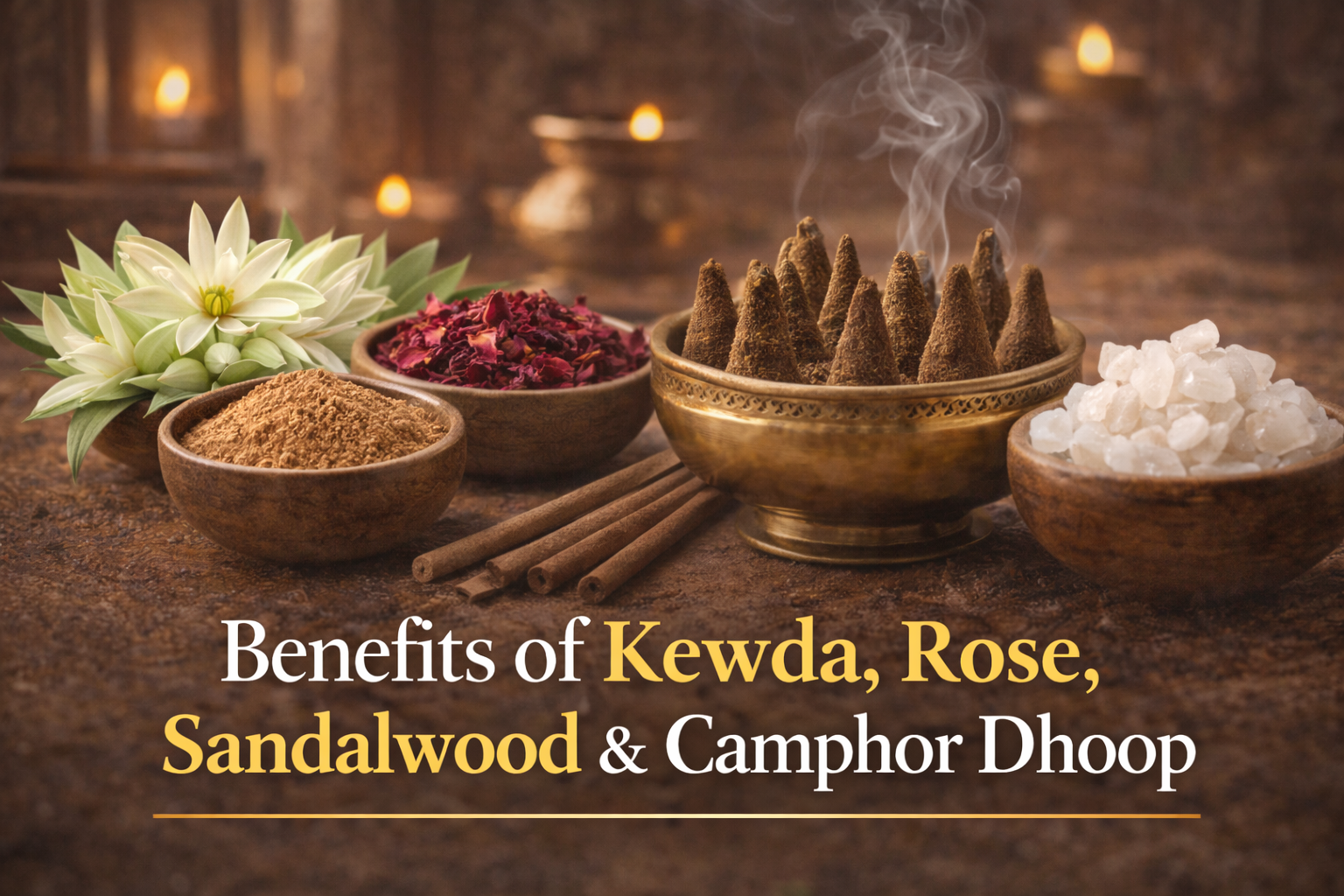
Kewda, rose, sandalwood, and camphor dhoop are valued in traditional practices for their calming aroma and purifying properties. They help create a peaceful environment, support relaxation, and uplift the mood during prayer or meditation. When made naturally, these fragrances offer a soothing experience without the harsh effects of synthetic chemicals.
4 min read
 Natural Incense
Swadeshika Editorial Team
Natural incense is made using traditional methods that blend plant resins, herbs, wood powders, and essential oils without synthetic chemicals. The mixture is hand-rolled onto bamboo sticks or shaped into dhoop cones and sun-dried to preserve its purity and aroma.
4 min read
 Natural Incense
Swadeshika Editorial Team
Chemical-based dhoop and agarbatti often contain synthetic fragrances and fillers that can release harmful smoke and indoor air pollutants when burned. Regular exposure may trigger headaches, allergies, or breathing issues, especially in closed spaces.
4 min read
 Health & Wellness
Swadeshika Editorial Team
Humesol is a plant growth enhancer made from humic substances that help improve soil health and nutrient absorption. It supports stronger root development, better water retention, and healthier leaf growth for home plants. Regular use can lead to improved plant vitality, greener foliage, and overall stronger growth.
4 min read
 Millets & Superfoods
Swadeshika Editorial Team
Millet flour can be easily used in daily homemade snacks like rotis, cheela, pancakes, and baked biscuits for a healthier twist. It also works well in laddoos, namkeen mixes, or as a partial substitute in pakora or cutlet batter to boost fiber and nutrition. Mixing it with wheat or other flours helps improve texture while keeping snacks wholesome and filling.
4 min read
 Millets & Superfoods
Swadeshika Editorial Team
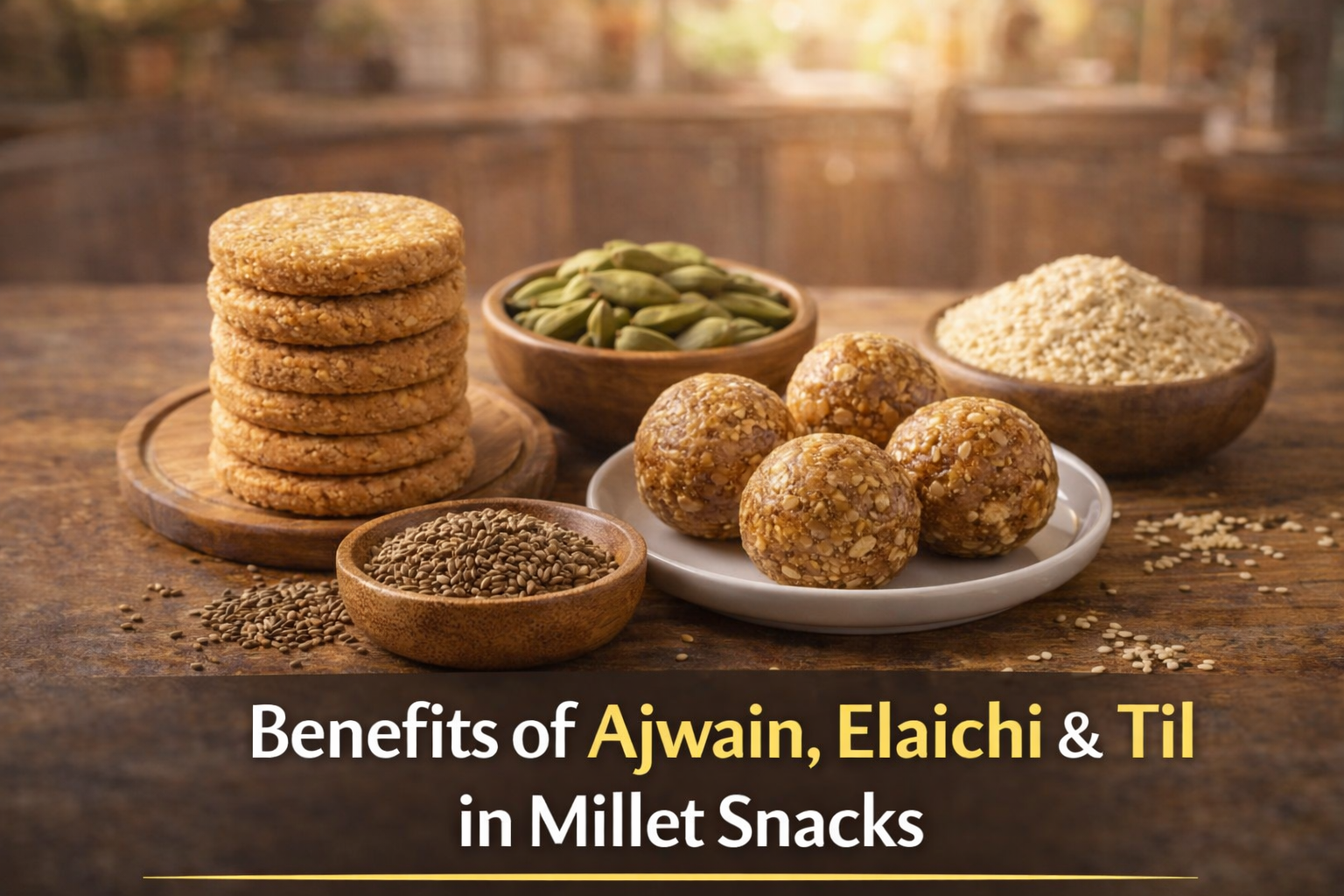
Ajwain, elaichi, and til add both flavor and nutrition to millet snacks. Ajwain supports digestion and can help reduce bloating, elaichi adds natural aroma while aiding gut comfort and freshness, and til (sesame) provides healthy fats, calcium, and minerals for strength.
4 min read
 Millets & Superfoods
Swadeshika Editorial Team
Millet snacks are great for kids because they provide fiber, iron, calcium, and slow-release energy that supports growth and keeps them full longer. They’re easier to digest than many refined-flour snacks and can help build healthier eating habits early on
4 min read
 Millets & Superfoods
Swadeshika Editorial Team
Millet biscuits are generally healthier because they contain more fiber, minerals, and complex carbs that support better digestion and steadier energy. Maida biscuits, made from refined flour, are lighter in texture but offer fewer nutrients and can cause quicker blood sugar spikes.
4 min read
 Pulses, Grains & Staples
Swadeshika Editorial Team
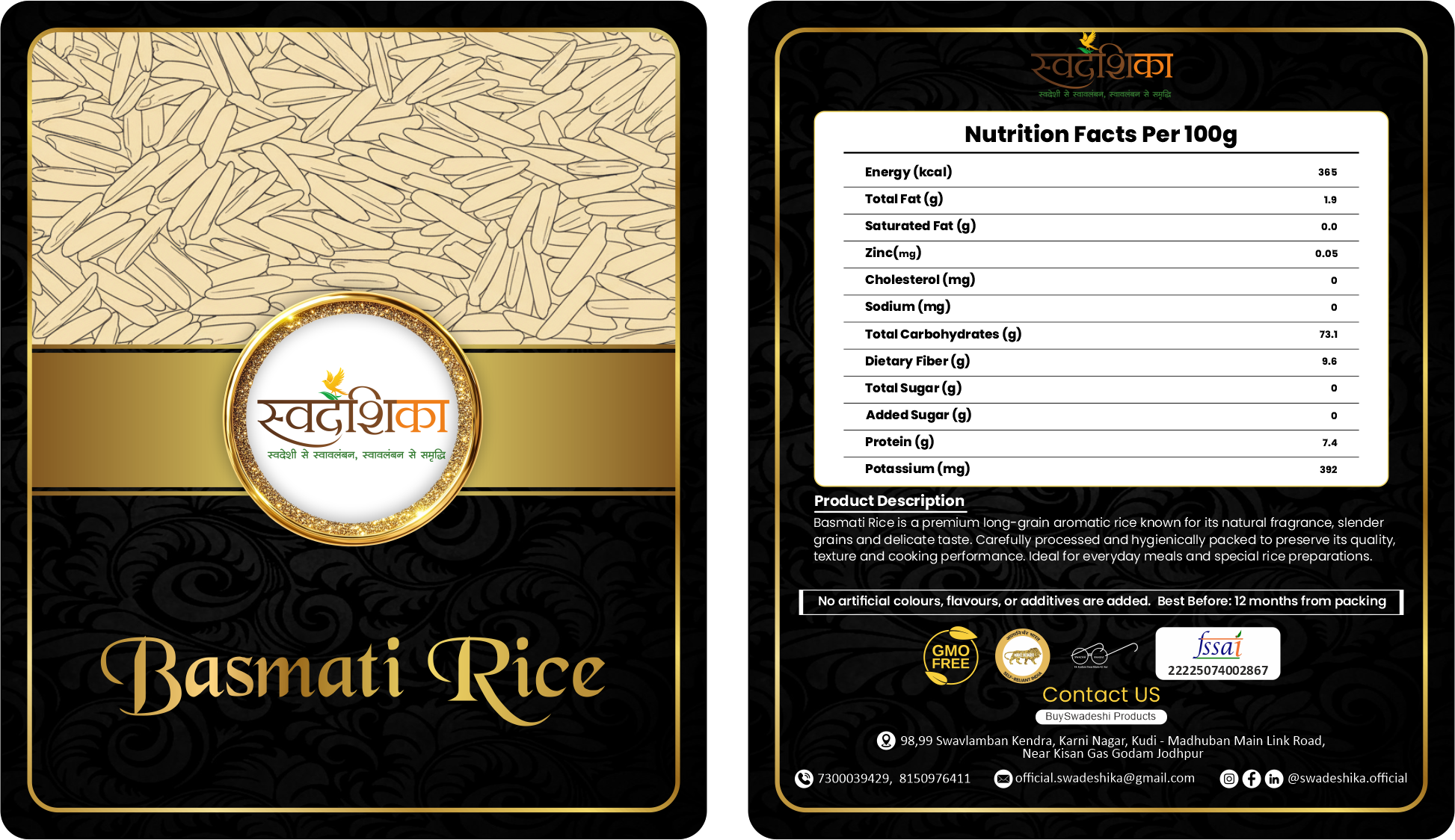
1121 rice is a premium basmati variety known for its extra-long grains, strong aroma, and excellent elongation after cooking. It stays fluffy, separate, and non-sticky, making it ideal for biryani, pulao, and special meals. Its consistent quality and appealing texture are what make 1121 rice stand out from regular rice varieties.
4 min read
 Millets & Superfoods
Swadeshika Editorial Team
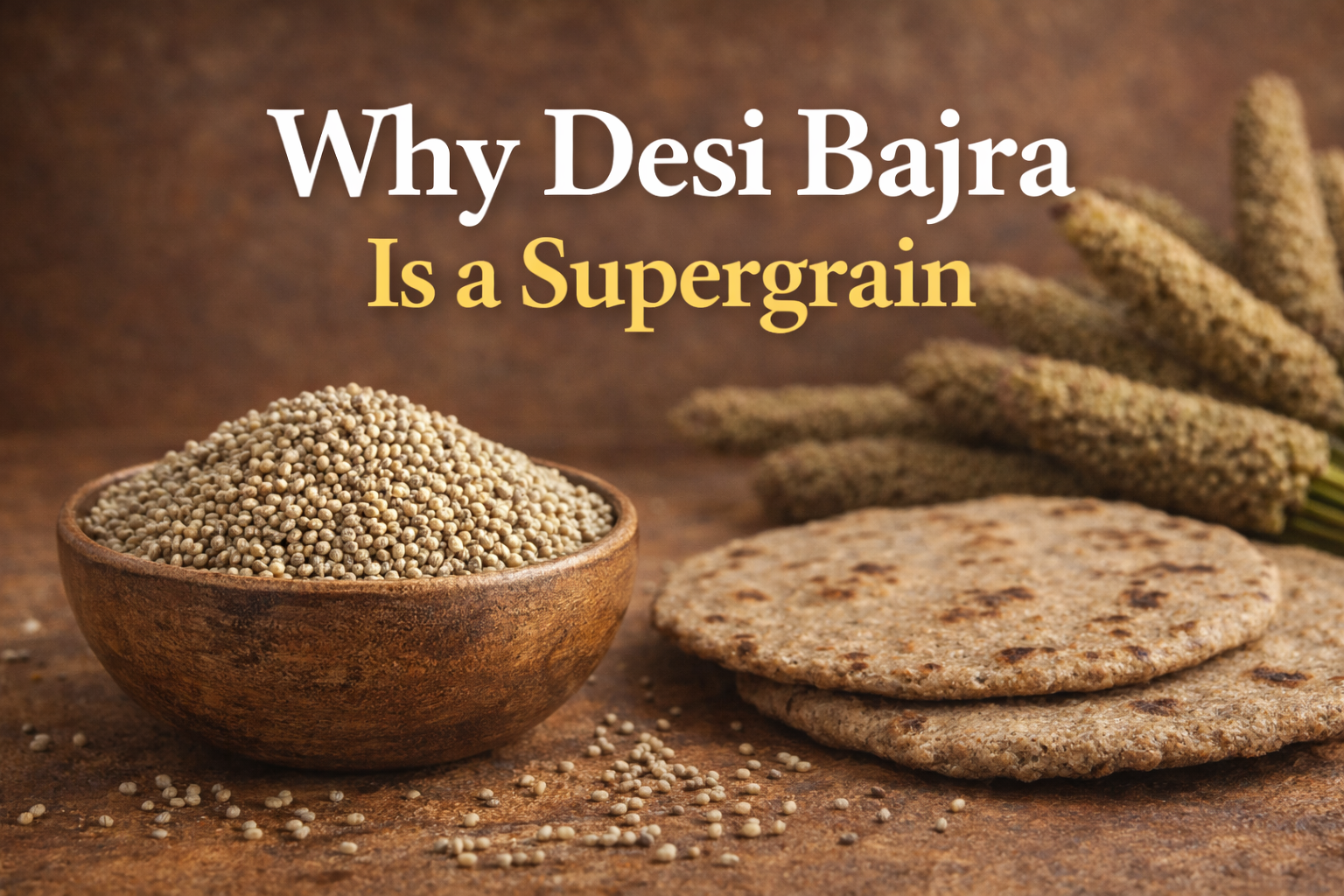
Desi bajra is called a supergrain because it’s rich in fiber, plant protein, iron, and essential minerals that support energy, digestion, and heart health. It has a low glycemic index, helping with steady blood sugar levels and longer fullness. Its traditional use in rotis and porridges makes it a nutritious, climate-friendly staple for daily meals.
4 min read
 Pulses, Grains & Staples
Swadeshika Editorial Team
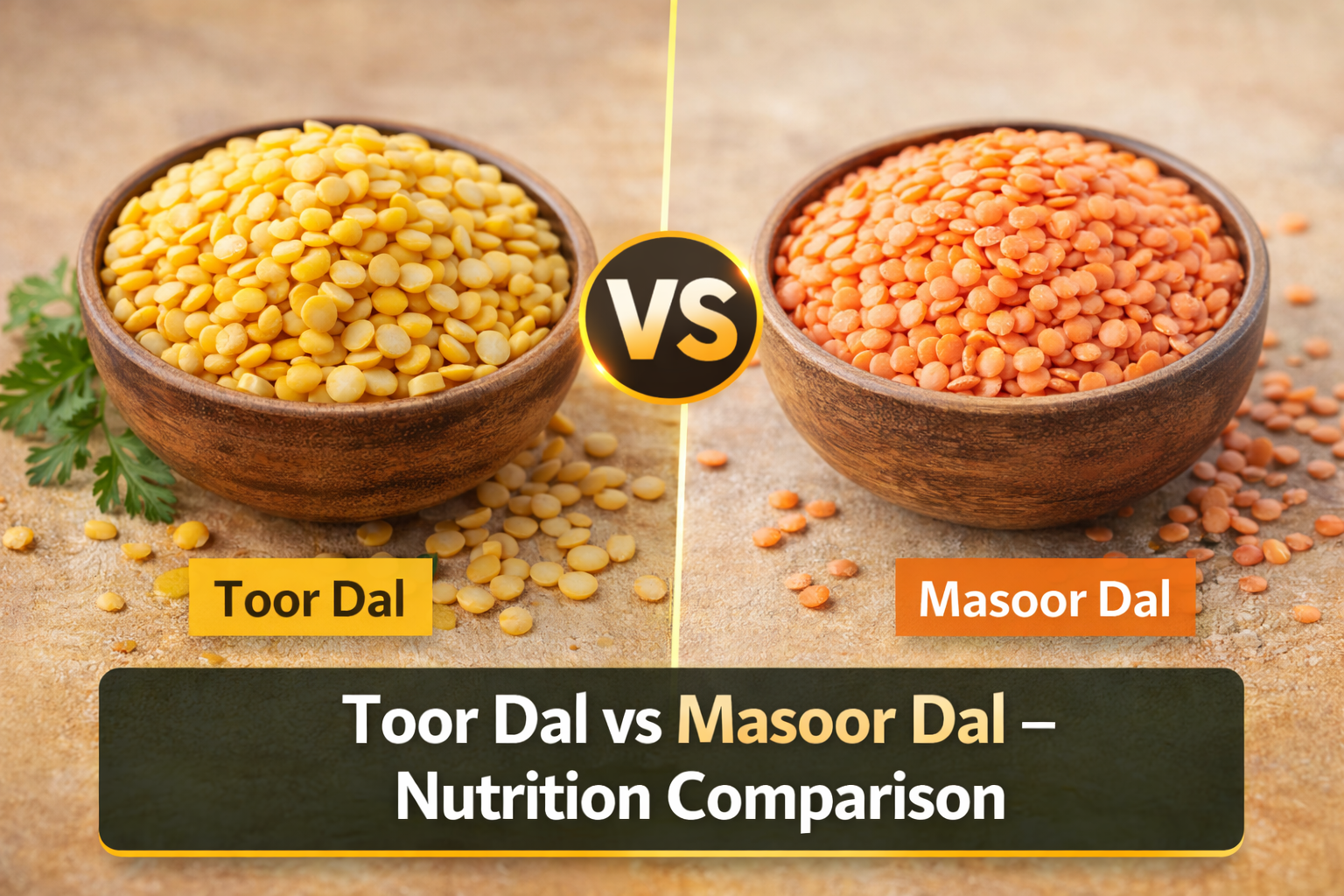
Toor dal and masoor dal are both nutritious, protein-rich pulses, but they differ slightly in benefits. Toor dal offers more complex carbs and a thicker, hearty texture suited for traditional dals, while masoor dal cooks faster and provides slightly higher iron and fiber, making it good for lighter, quick meals.
4 min read
 Pulses, Grains & Staples
Swadeshika Editorial Team
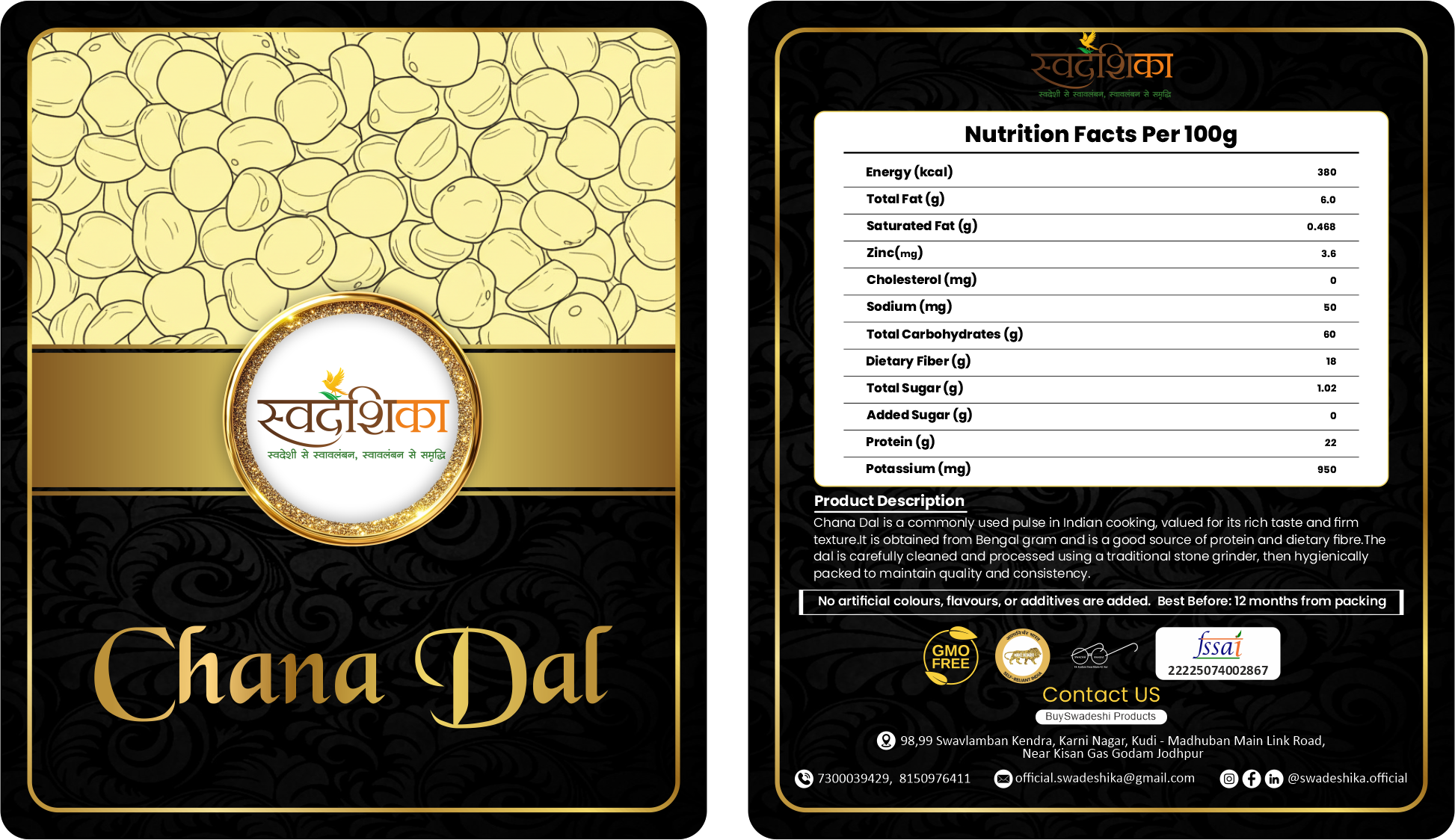
Chana dal is a rich source of plant protein, fiber, iron, and essential minerals, making it a nutritious staple in Indian meals. While not a complete protein on its own, it becomes one when paired with grains like rice or roti, providing all essential amino acids. Its balanced nutrition supports energy, digestion, and long-lasting fullness in everyday diets.
4 min read
 Pulses, Grains & Staples
Swadeshika Editorial Team
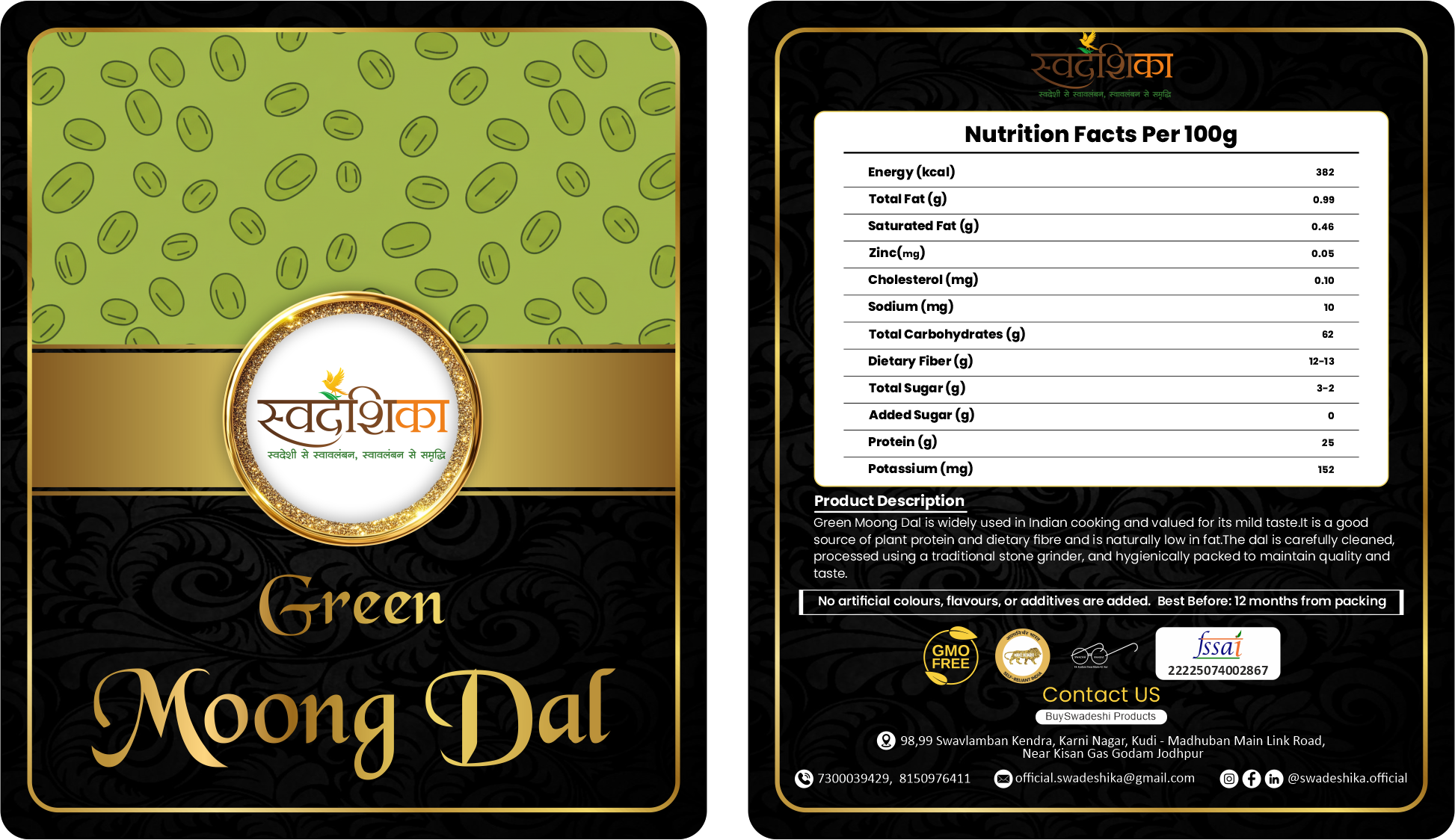
Chilka moong dal (with skin) is higher in fiber and has a slightly earthy taste, making it better for everyday meals focused on digestion and steady energy. Dhuli moong dal (split and skinless) cooks faster, tastes milder, and is easier to digest, so it’s ideal for light dishes like khichdi or for recovery meals.
4 min read
 Pulses, Grains & Staples
Swadeshika Editorial Team
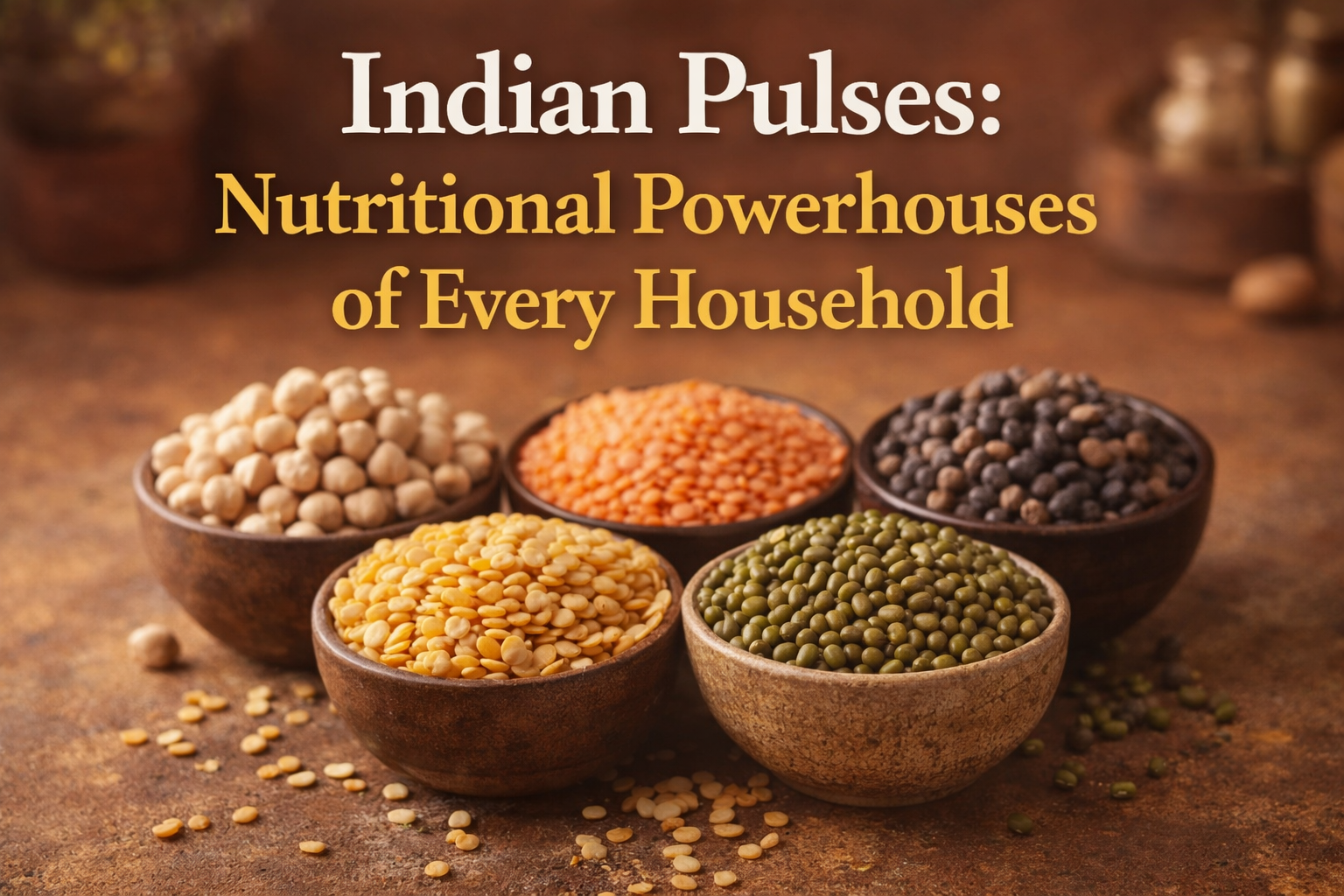
Indian pulses are staple foods packed with plant protein, fiber, vitamins, and minerals, making them essential for balanced daily nutrition. They support energy, digestion, and heart health while being affordable and versatile for many dishes like dal, khichdi, and snacks. Their nutritional value and everyday use make them true powerhouses in Indian households.
4 min read
 Ghee & Cold Pressed Oils
Swadeshika Editorial Team
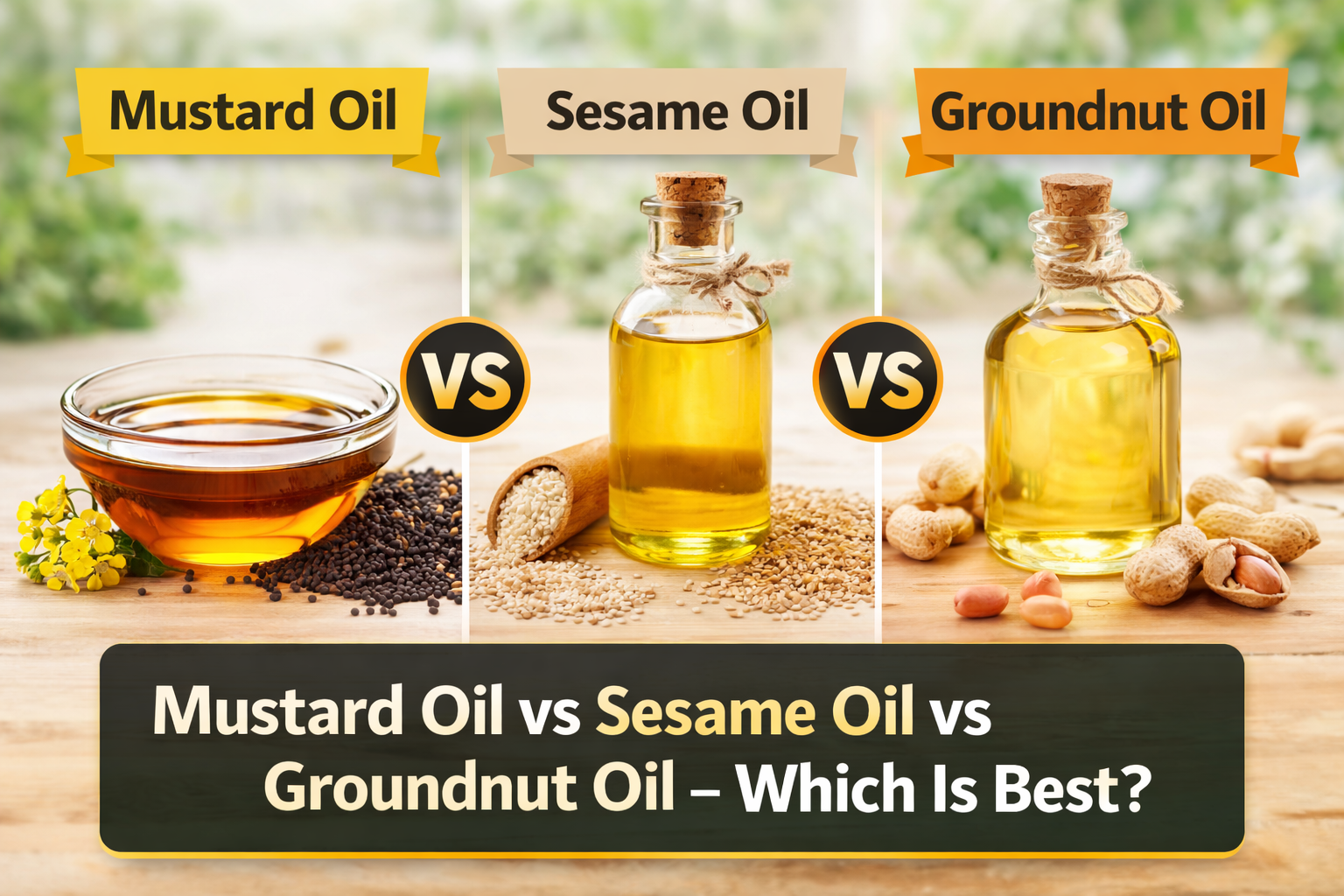
Mustard, sesame, and groundnut oil each have their strengths depending on your cooking needs. Mustard oil suits high-heat Indian cooking and adds a sharp flavor, sesame oil offers antioxidants and a nutty taste for both cooking and finishing, while groundnut oil is mild, versatile, and good for frying.
5 min read
 Ghee & Cold Pressed Oils
Swadeshika Editorial Team
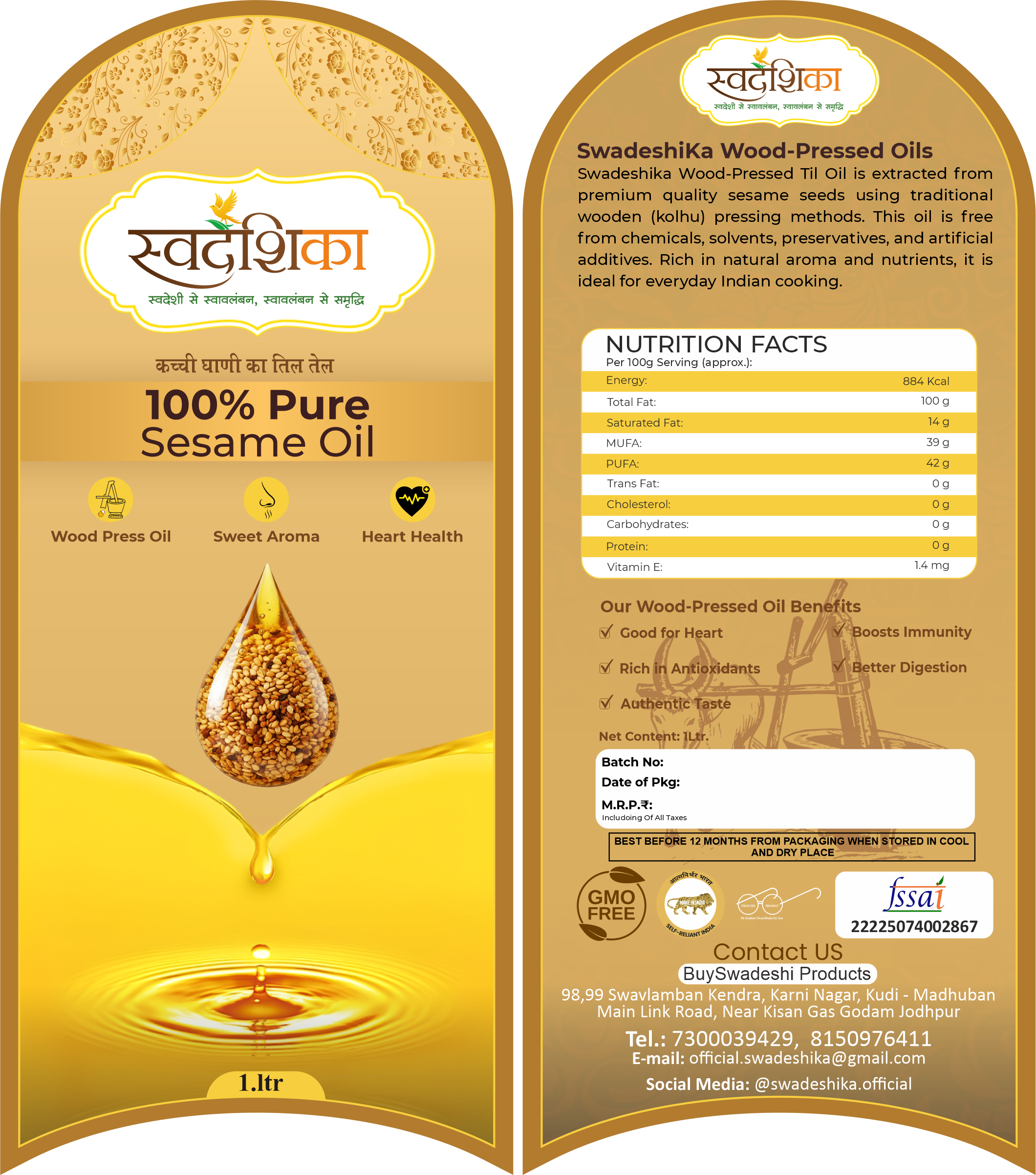
Sesame oil is widely used in Indian cooking for its rich flavor and high content of healthy fats, antioxidants, and vitamin E. It may support heart health, aid digestion, and provide anti-inflammatory benefits when used in moderation. Its stability at cooking temperatures and traditional Ayurvedic value make it a nutritious choice for everyday meals.
4 min read
 Ghee & Cold Pressed Oils
Swadeshika Editorial Team
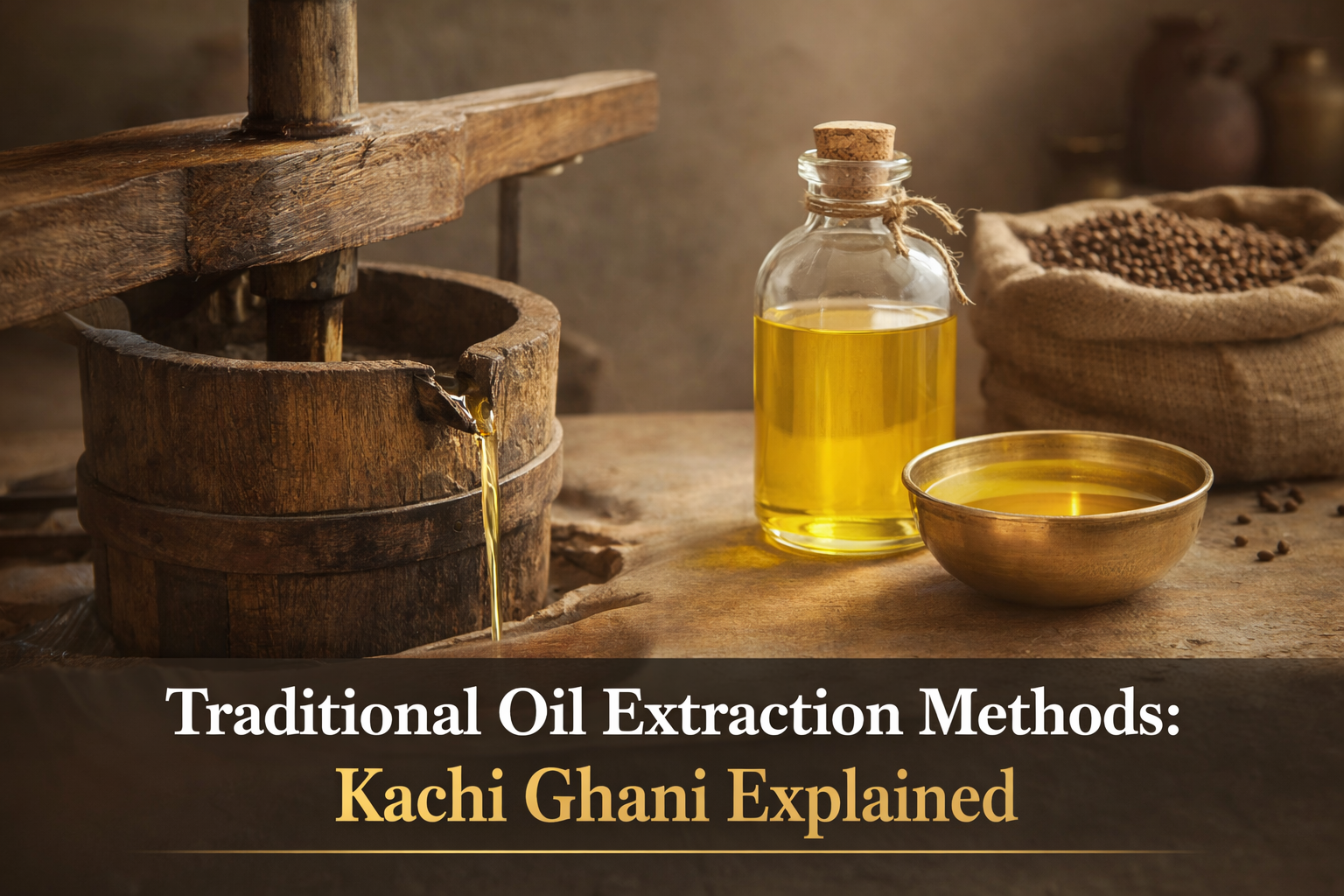
Kachi Ghani is a traditional cold-press oil extraction method where seeds are crushed slowly at low temperatures, usually in a wooden or mechanical press. This process helps retain the oil’s natural nutrients, aroma, and flavor since it avoids excessive heat and chemical refining. Oils made this way are valued for their purity, richer taste, and closer-to-natural nutritional profile in everyday cooking.
4 min read
 Ghee & Cold Pressed Oils
Swadeshika Editorial Team
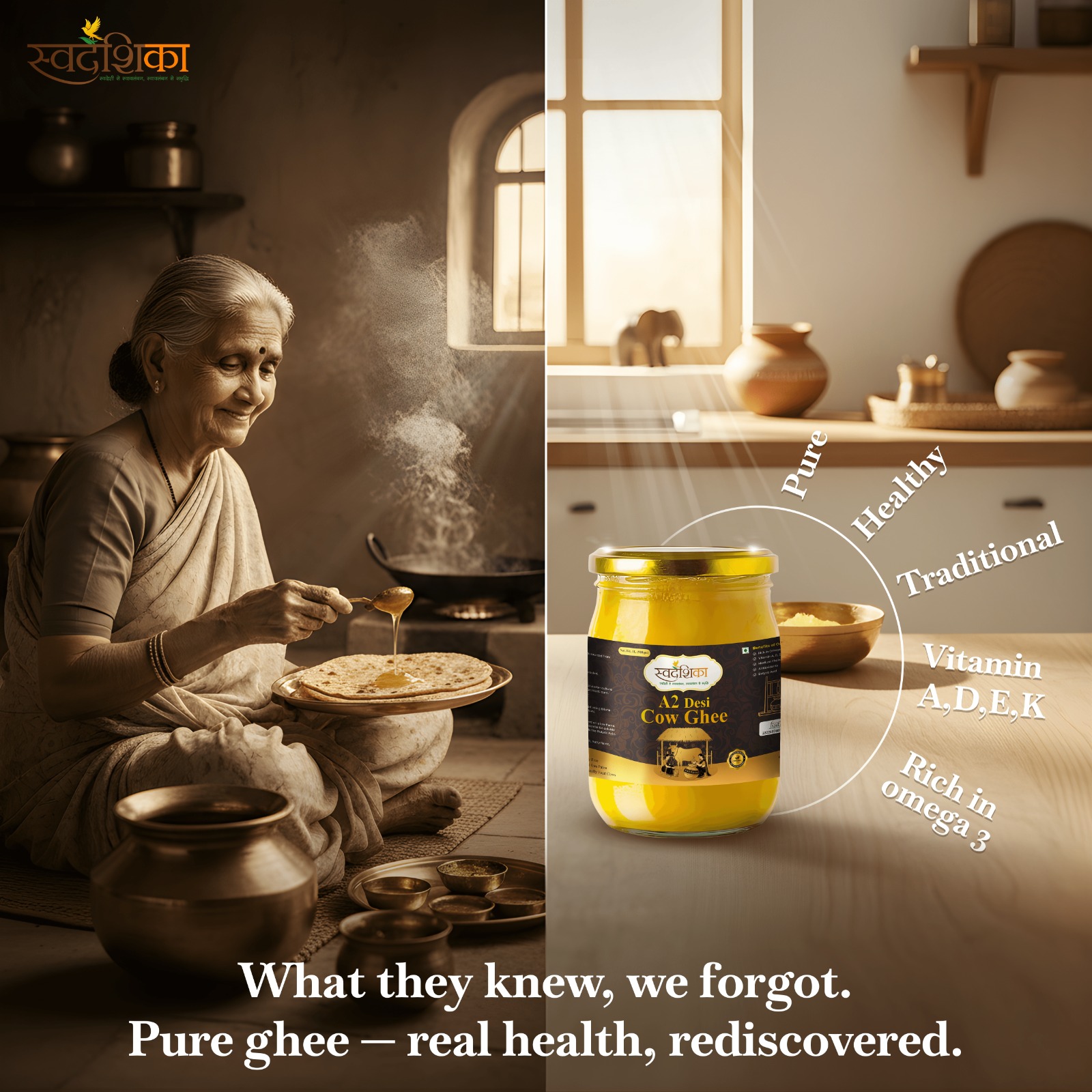
A2 ghee is made from milk of indigenous cows that produce A2-type beta-casein, which some studies suggest may be easier to digest for certain people compared to regular ghee. From an Ayurvedic view, it’s considered more nourishing, supportive for digestion, and beneficial for immunity and overall balance.
5 min read
 Natural Beauty & Personal Care
Swadeshika Editorial Team
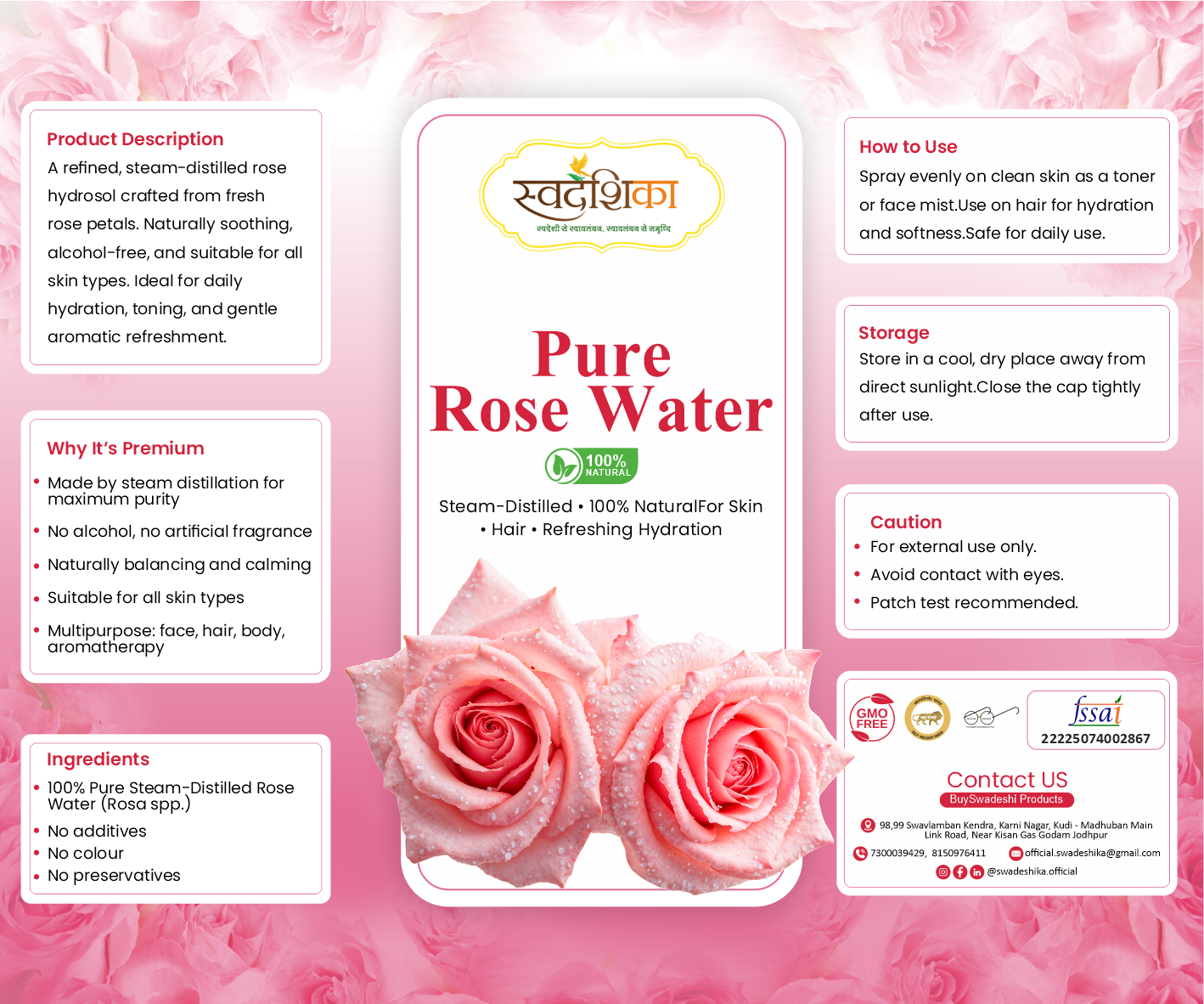
Rose water is widely used as a natural toner in skincare to soothe, hydrate, and refresh the skin. It can also be applied to hair and scalp for mild conditioning and fragrance, while in Ayurveda it’s valued for its cooling, calming, and balancing properties. Its gentle nature makes it a versatile addition to daily beauty and wellness routines.
5 min read
 Health & Wellness
Swadeshika Editorial Team
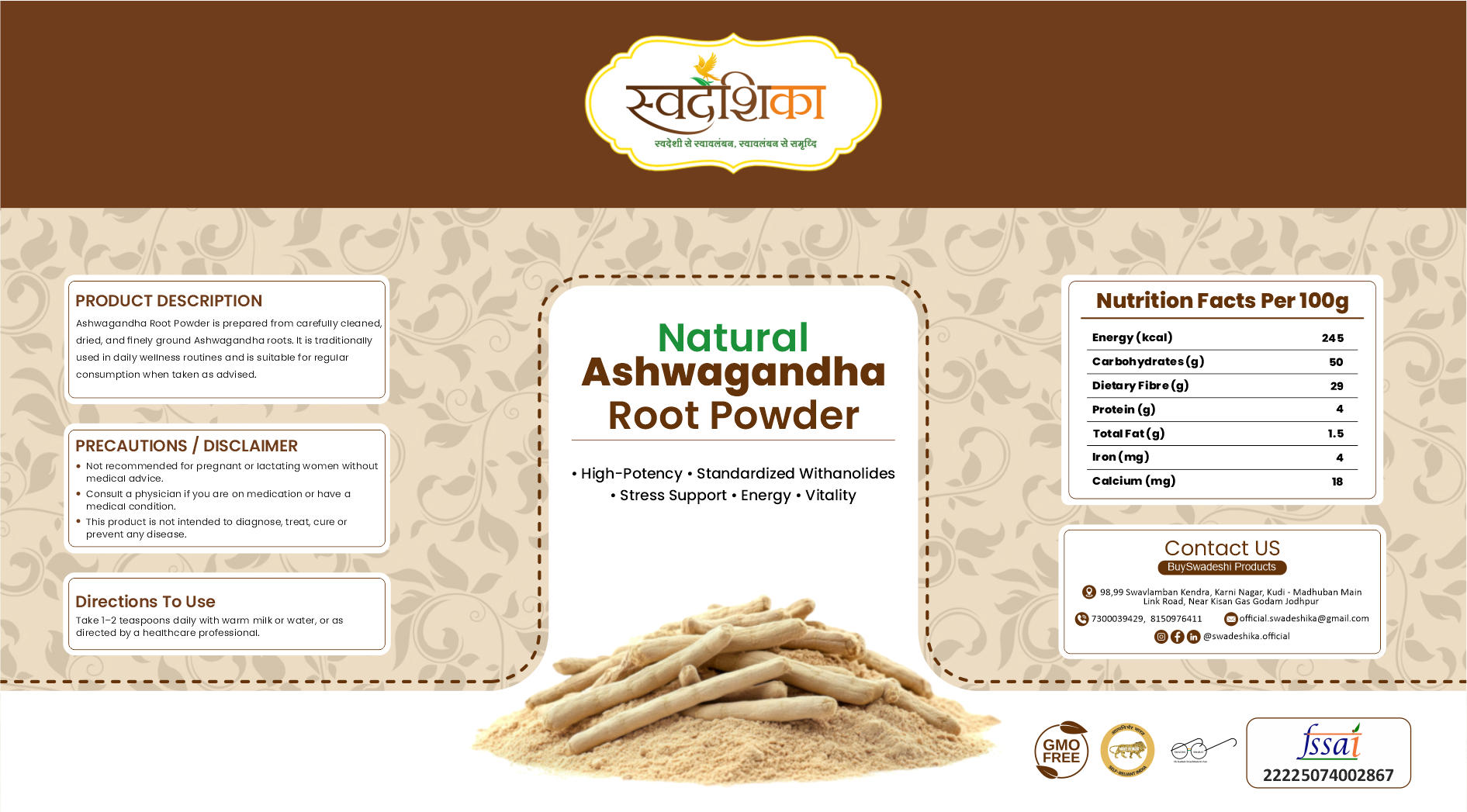
Ashwagandha powder is a traditional herb known for helping the body manage stress, improve strength and stamina, and support better sleep. It’s commonly taken with warm milk or water to promote relaxation, recovery, and overall balance. Regular, moderate use may help with energy levels and mental calmness as part of a healthy routine.
5 min read
 Millets & Superfoods
Swadeshika Editorial Team
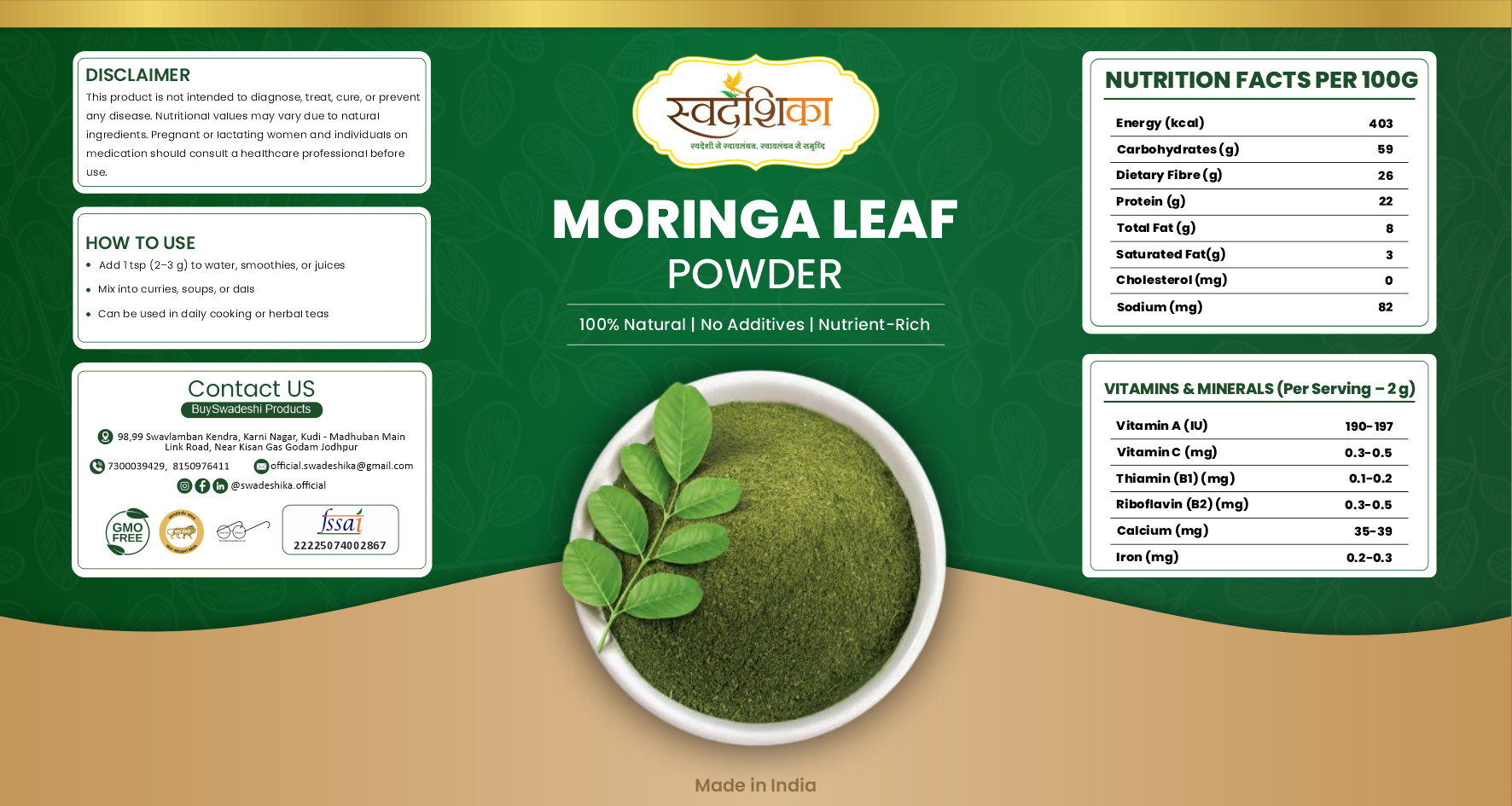
Moringa powder is a nutrient-dense plant powder packed with vitamins, minerals, antioxidants, and plant protein, making it a strong addition to daily nutrition. It can be easily mixed into smoothies, dal, atta, or warm water to support energy, immunity, and overall wellness. Its natural, plant-based profile is why it’s often called an Indian superfood for everyday health.
5 min read
 Health & Wellness
Swadeshika Editorial Team
Shilajit is a natural mineral-rich resin used in traditional wellness practices, valued for supporting energy, stamina, immunity, and overall vitality. It’s commonly taken in small doses with milk or warm water, but quality and purity matter a lot for safety and effectiveness. Many myths exaggerate it as a miracle cure, while in reality it works best as a supportive supplement, not a magic solution.
5 min read
 Natural Sweeteners
Swadeshika Editorial Team
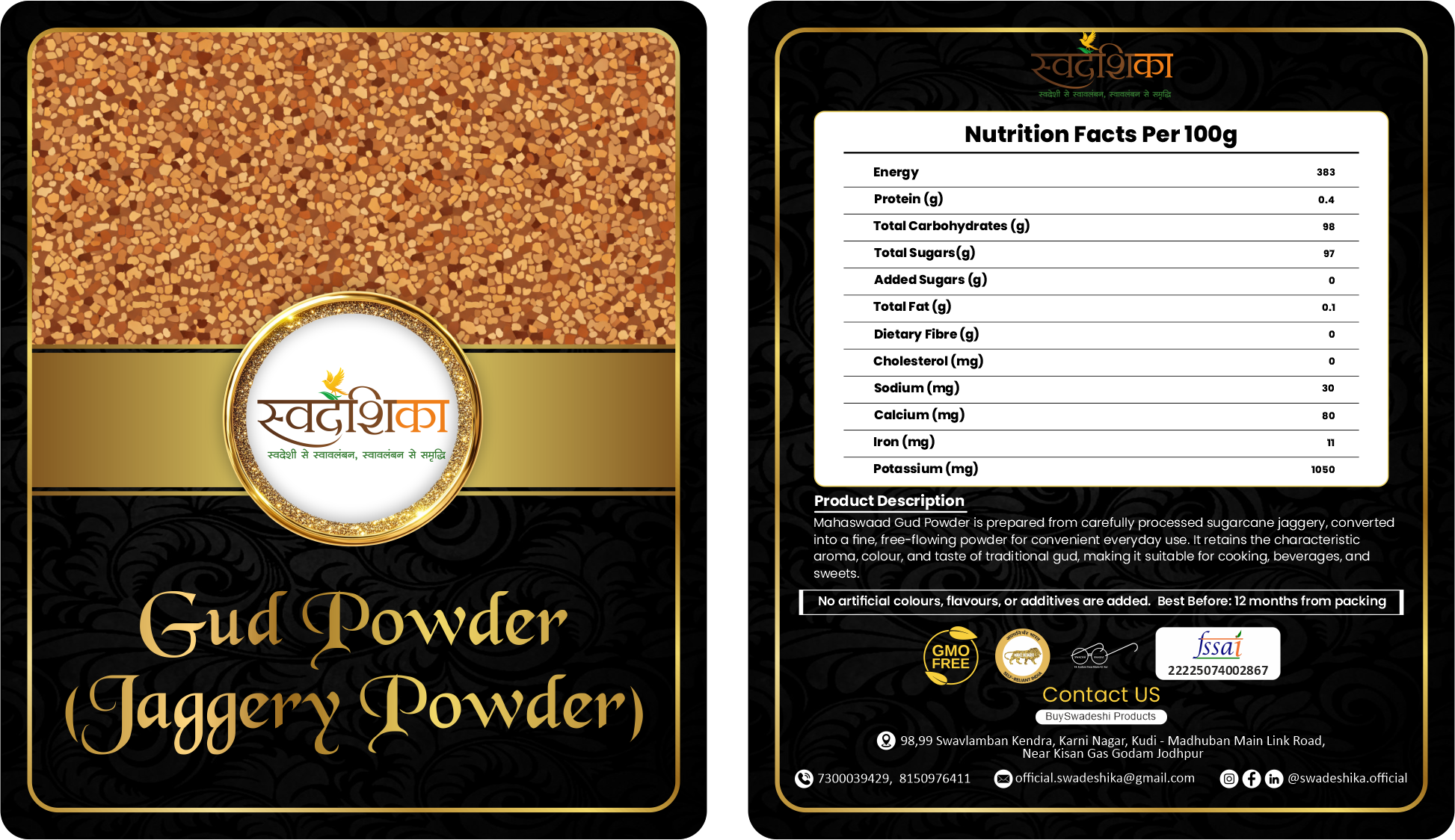
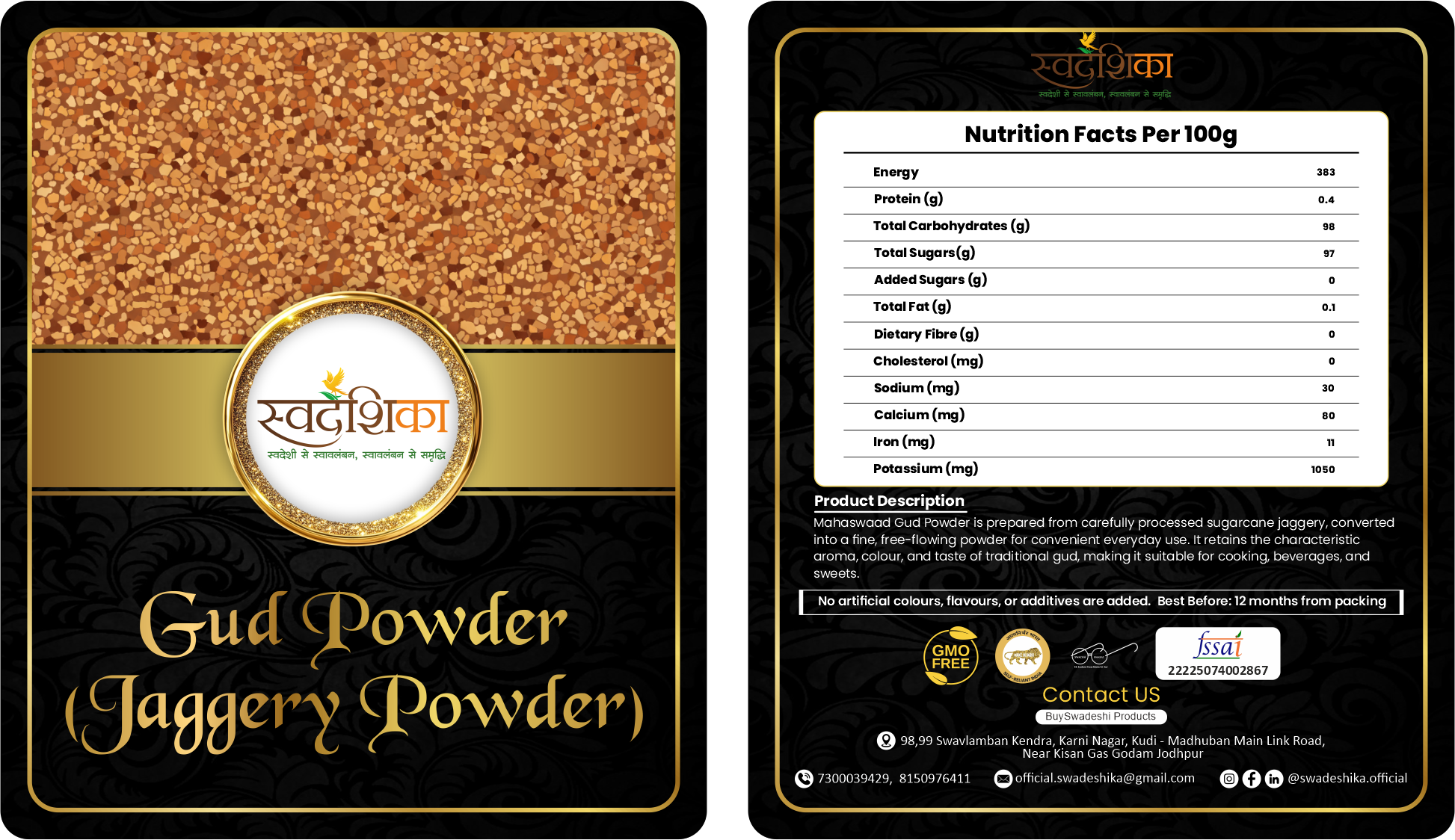
Jaggery powder is a natural sweetener that can be easily added to tea, milk, porridge, and desserts as a healthier alternative to refined sugar. It’s also used in daily cooking for balancing flavors in dals, curries, chutneys, and traditional Indian sweets. Its quick-dissolving texture and rich, caramel-like taste make it convenient for both sweet and savory dishes.
5 min read
 Natural Sweeteners
Swadeshika Editorial Team
Jaggery is considered better than sugar in Ayurveda because it’s less processed and retains natural minerals that support digestion and energy balance. It’s believed to help cleanse the body, aid respiratory health, and provide warmth, making it especially useful in colder seasons. In contrast, refined sugar is seen as empty calories with little nutritional value and can disturb metabolic balance when overused.
5 min read
 Health & Wellness
Swadeshika Editorial Team
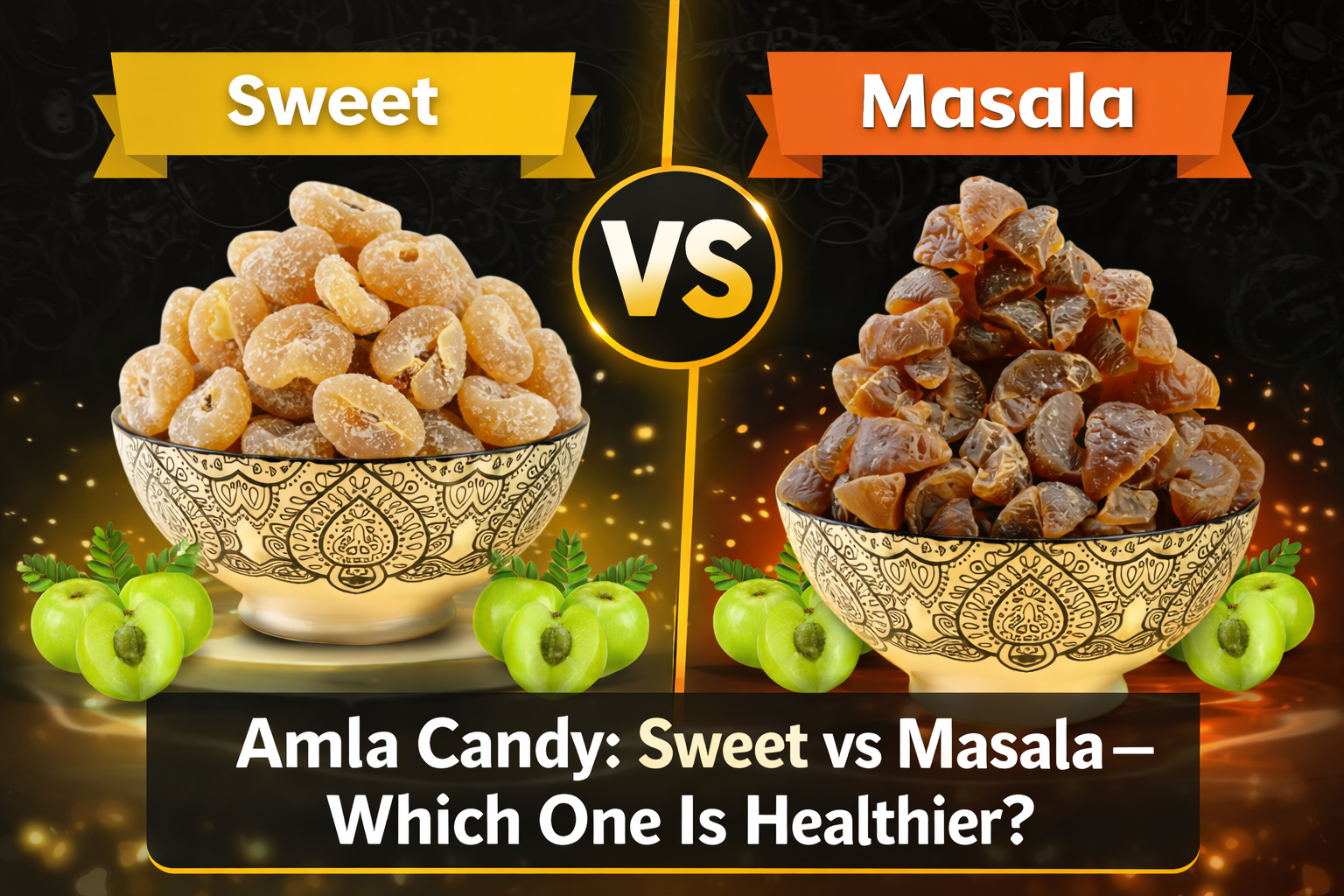
Sweet amla candy is milder and more appealing in taste but usually contains added sugar, so it’s better as an occasional treat. Masala amla candy often has less sugar and includes spices that can aid digestion, making it a slightly healthier everyday option. The better choice depends on whether you prioritize taste or lower sugar and added digestive benefits.
5 min read
 Health & Wellness
Swadeshika Editorial Team
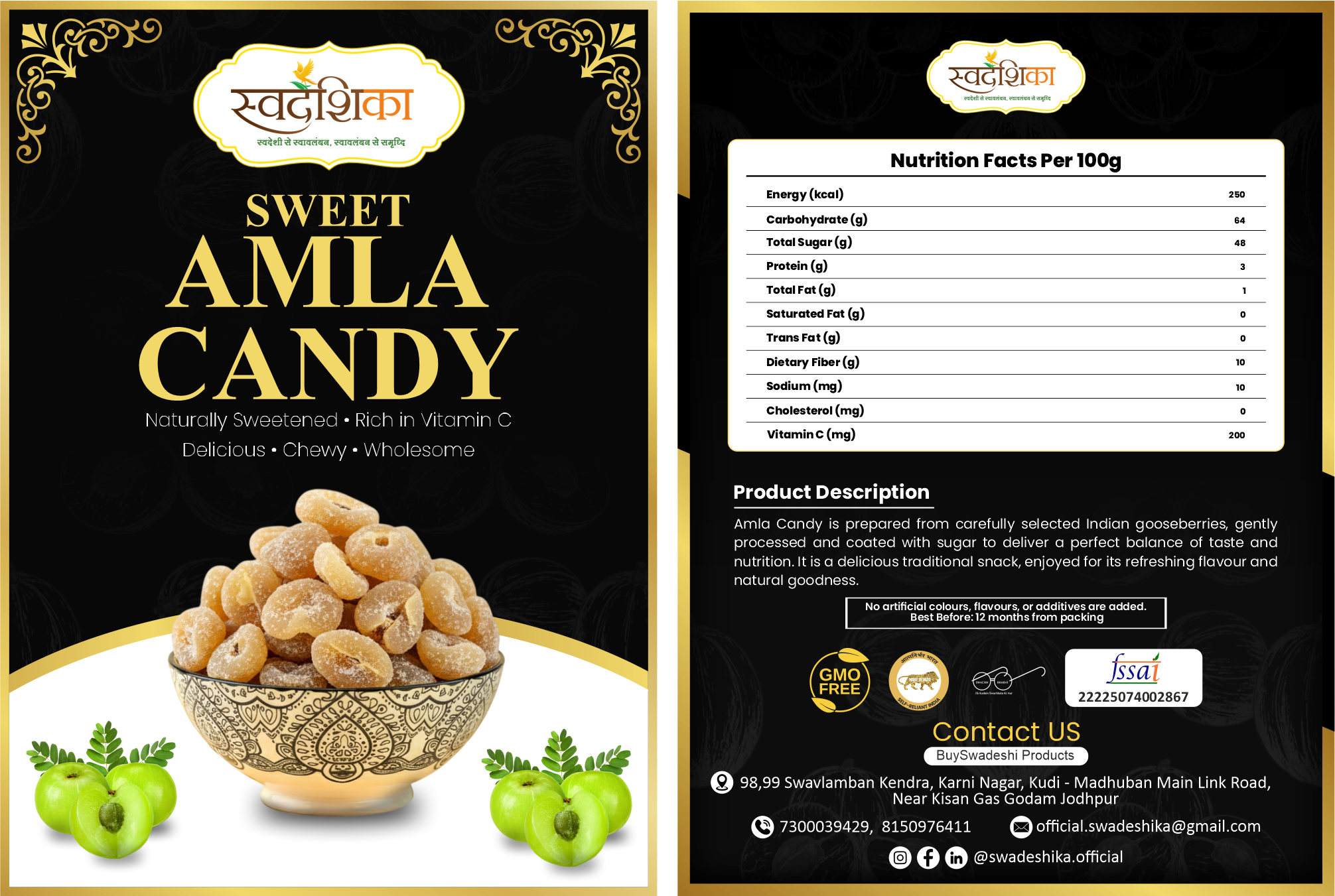
Amla candy is a tasty way to get the benefits of amla, which is rich in vitamin C and antioxidants. It helps support immunity, promotes healthier hair growth, and contributes to clearer, glowing skin. Regular intake in moderation can be a simple addition to daily wellness.
5 min read
 Natural Sweeteners
Swadeshika Editorial Team
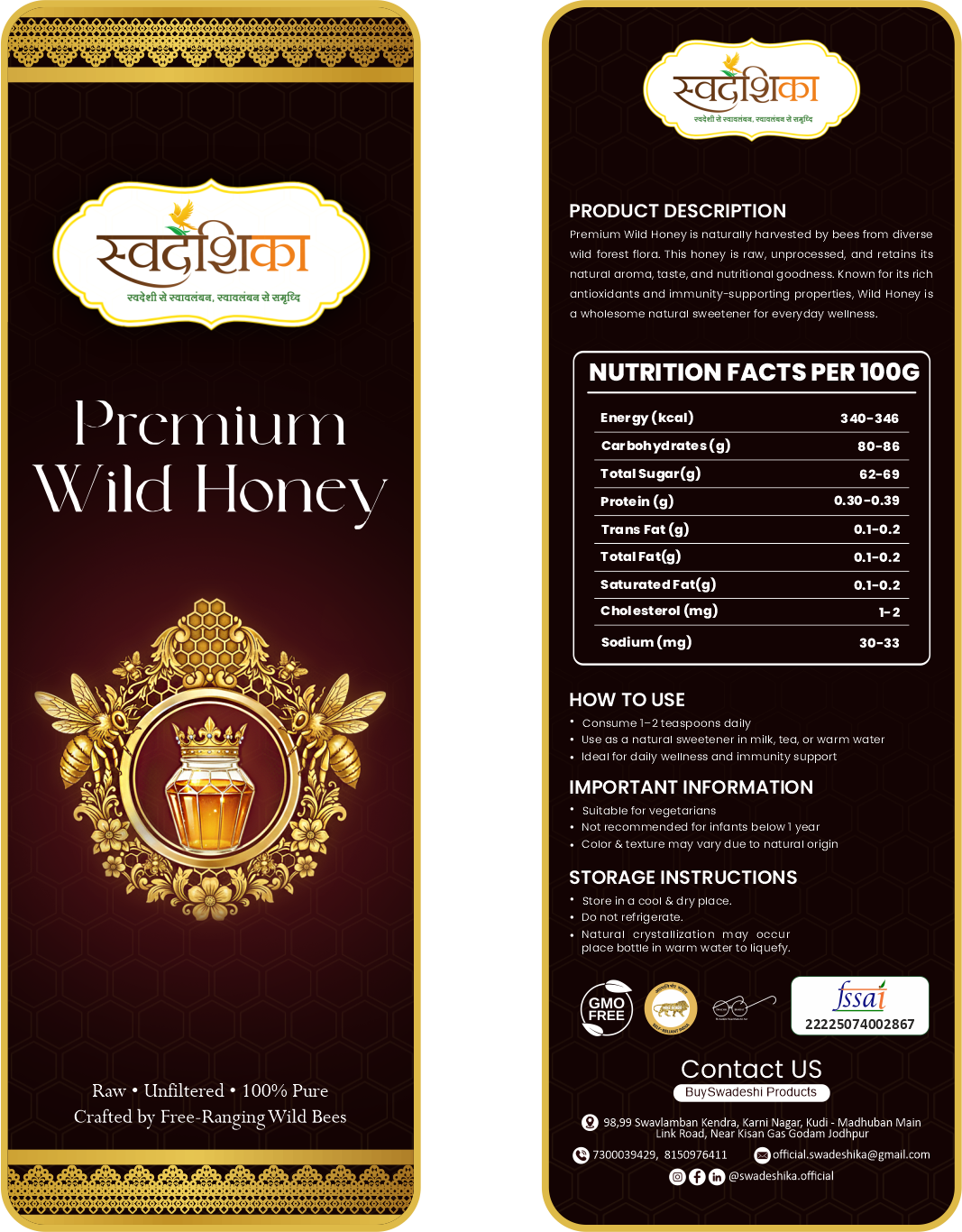
Wild honey is collected from natural forest hives and usually stays raw and minimally filtered, so it keeps more natural enzymes, pollen, and complex flavors. Processed honey is typically heated and heavily filtered for uniform color and longer shelf life, which can reduce some nutrients and aroma. The main difference comes down to purity, processing level, and richness of taste.
5 min read
 Natural Sweeteners
Swadeshika Editorial Team
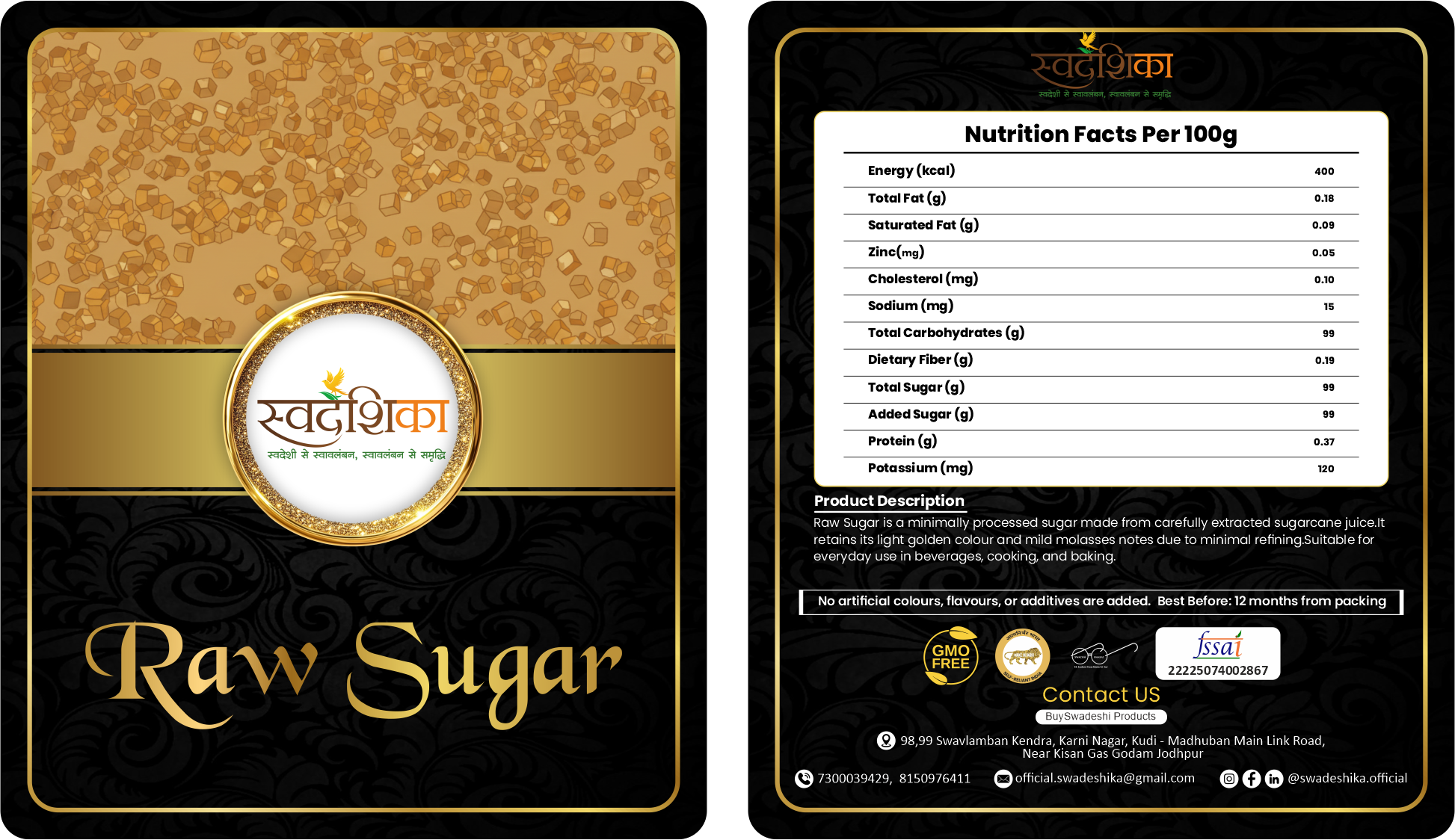
Raw sugar is less processed and retains some natural molasses, giving it a slightly richer flavor and minimal trace minerals. Refined sugar is heavily processed, purely sweet, and lacks any additional nutrients. Health-wise, both are still high in sugar and should be used in moderation, though raw sugar is often preferred as a less processed option.
5 min read
 Spices & Masalas
Swadeshika Editorial Team
Traditional Indian cooking relies on pure hing (asafoetida) for its unique aroma, digestive benefits, and ability to enhance the flavor of dals, curries, and tempering. Even a small pinch adds depth and helps reduce bloating from lentils and beans. Without pure hing, many classic dishes miss their authentic taste and functional value.
5 min read
 Spices & Masalas
Swadeshika Editorial Team
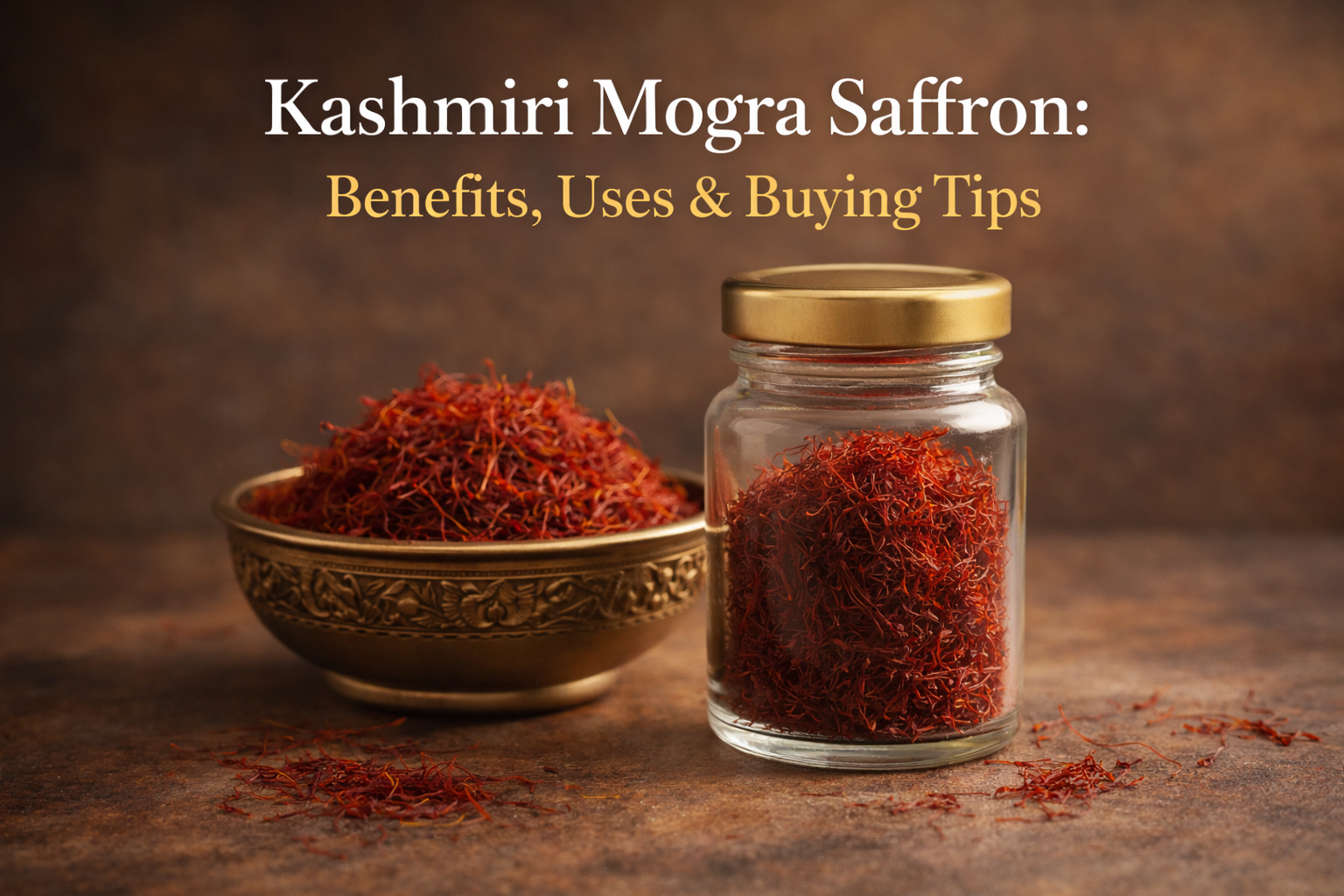
Kashmiri Mogra saffron is known for its deep red strands, strong aroma, and high potency, making it one of the finest saffron varieties. It’s valued for benefits like improved immunity, better digestion, skin glow, and use in sweets, milk, and traditional remedies. When buying, look for long dark-red threads, strong fragrance, and avoid overly cheap options to ensure purity.
5 min read
 Health & Wellness
Swadeshika Editorial Team
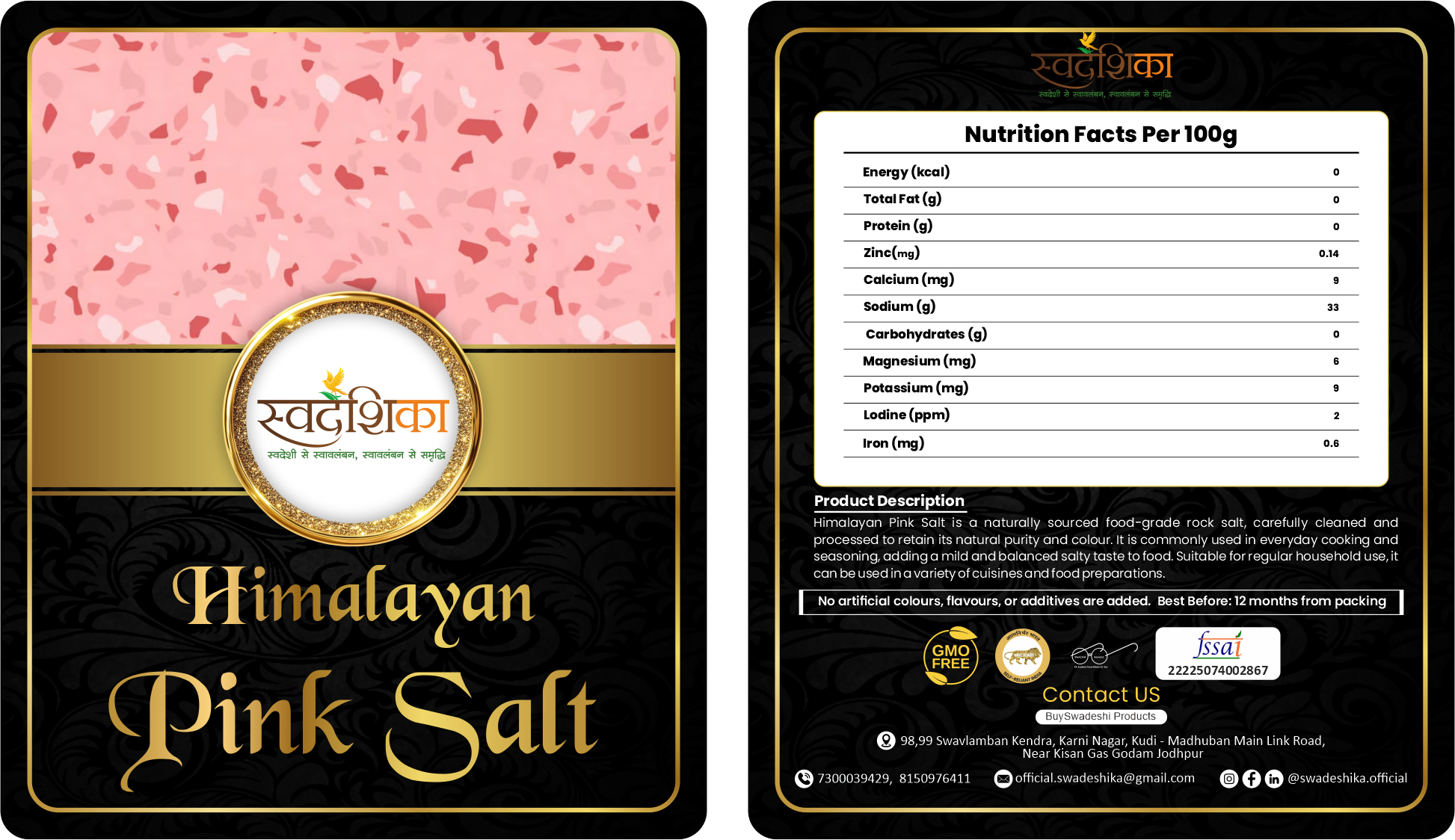
Himalayan pink salt is valued for its natural trace minerals and minimal processing compared to regular refined salt. It’s often preferred for its mild flavor, potential electrolyte support, and use in cooking as well as wellness practices. While nutritionally similar to other salts in sodium content, it’s popular as a more natural, less processed option.
6 min read
 Spices & Masalas
Swadeshika Editorial Team
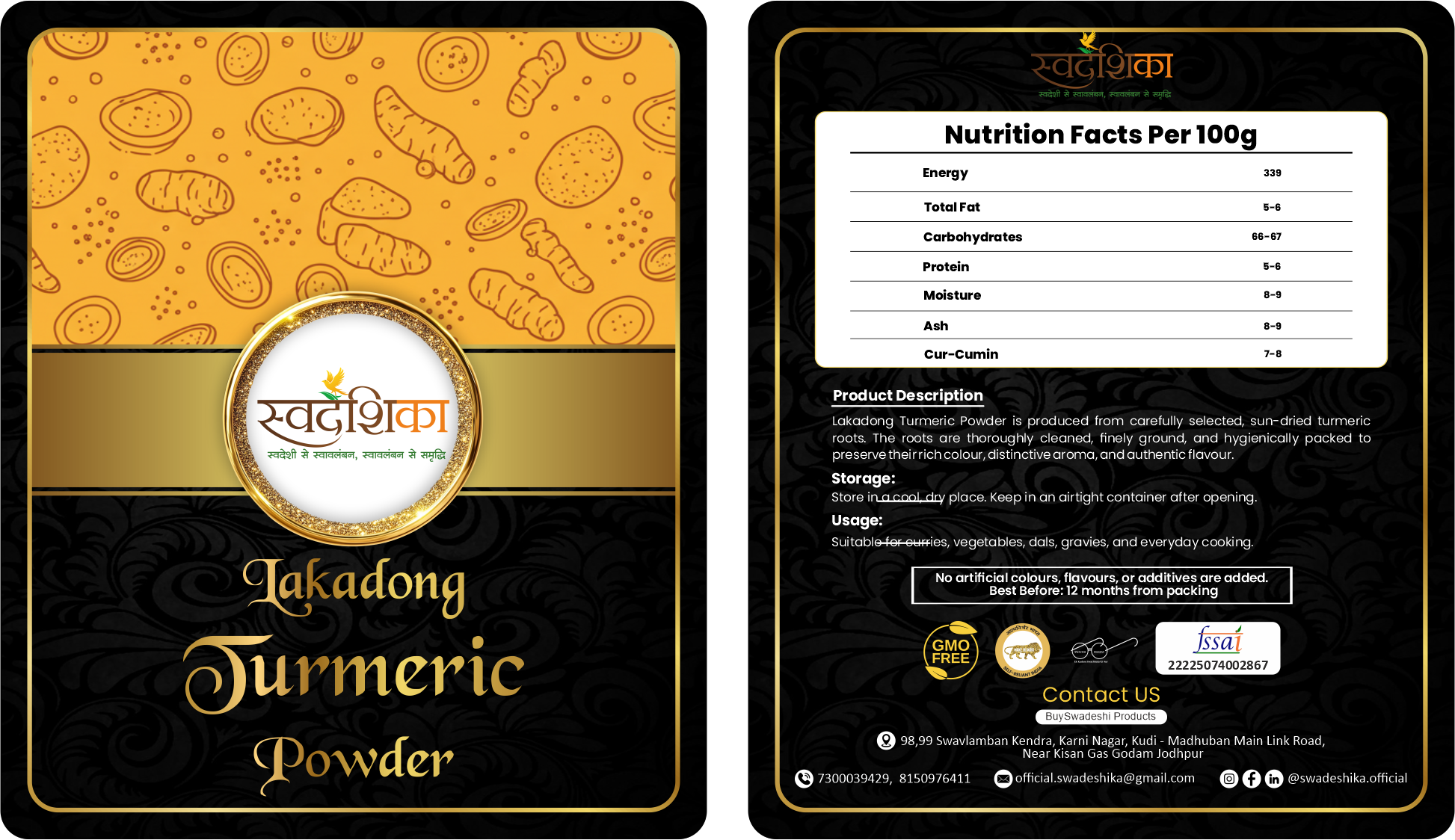
Lakadong turmeric is special because it contains up to 8% curcumin, much higher than regular turmeric, which boosts its anti-inflammatory, antioxidant, and health benefits. This higher curcumin level also gives it a deeper color, stronger aroma, and more potency in cooking or medicinal use. That’s why Lakadong turmeric is valued as a premium, more effective form of turmeric.
5 min read
 Spices & Masalas
Swadeshika Editorial Team
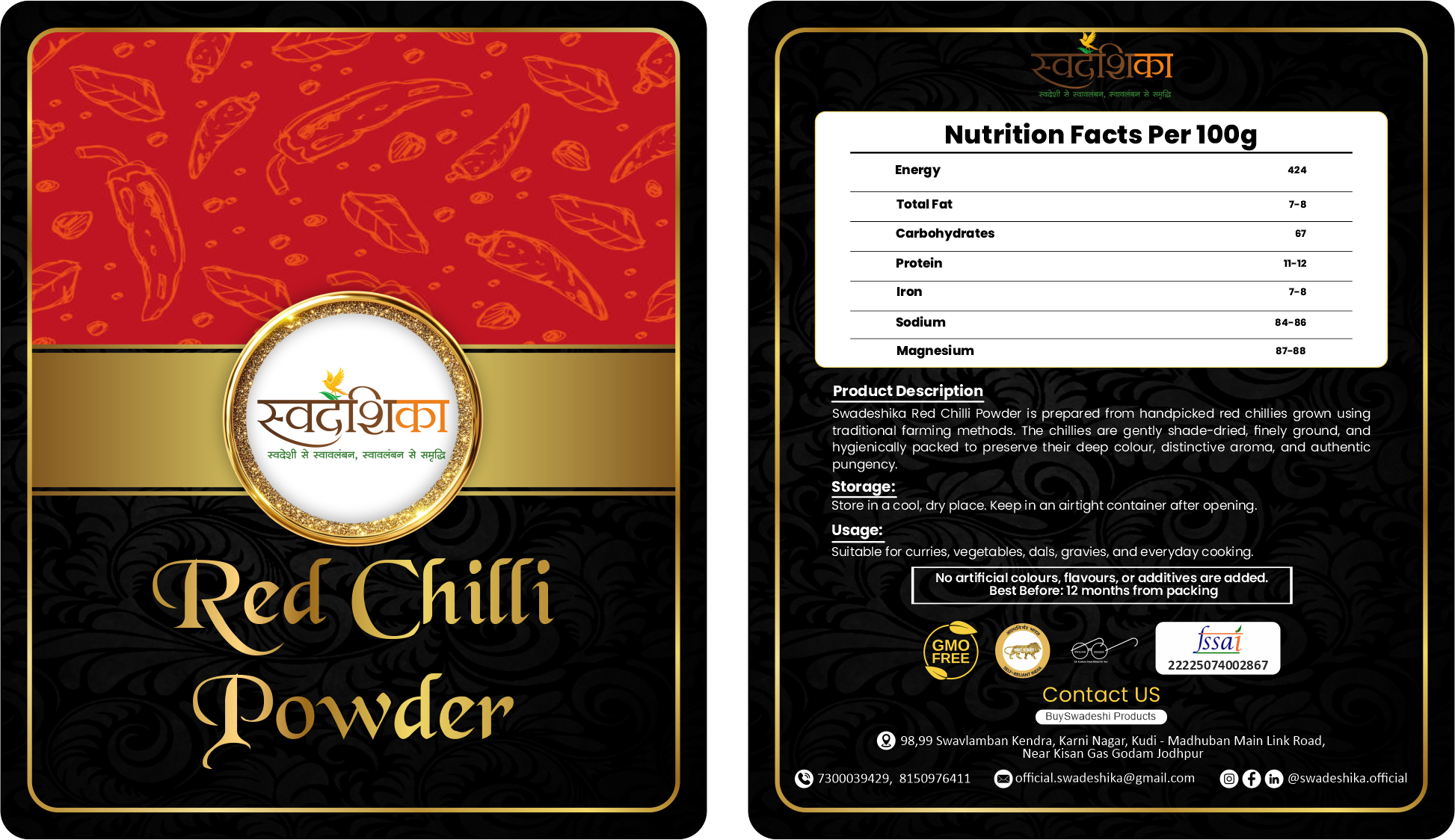
Seedless red chilli gives bright color and mild heat, making it ideal for dishes where you want a rich appearance without too much spiciness. Normal red chilli contains seeds, so it delivers stronger heat and a deeper, sharper flavor. The right choice depends on whether you want controlled mildness or bold spiciness in your cooking.
5 min read
 Spices & Masalas
Swadeshika Editorial Team
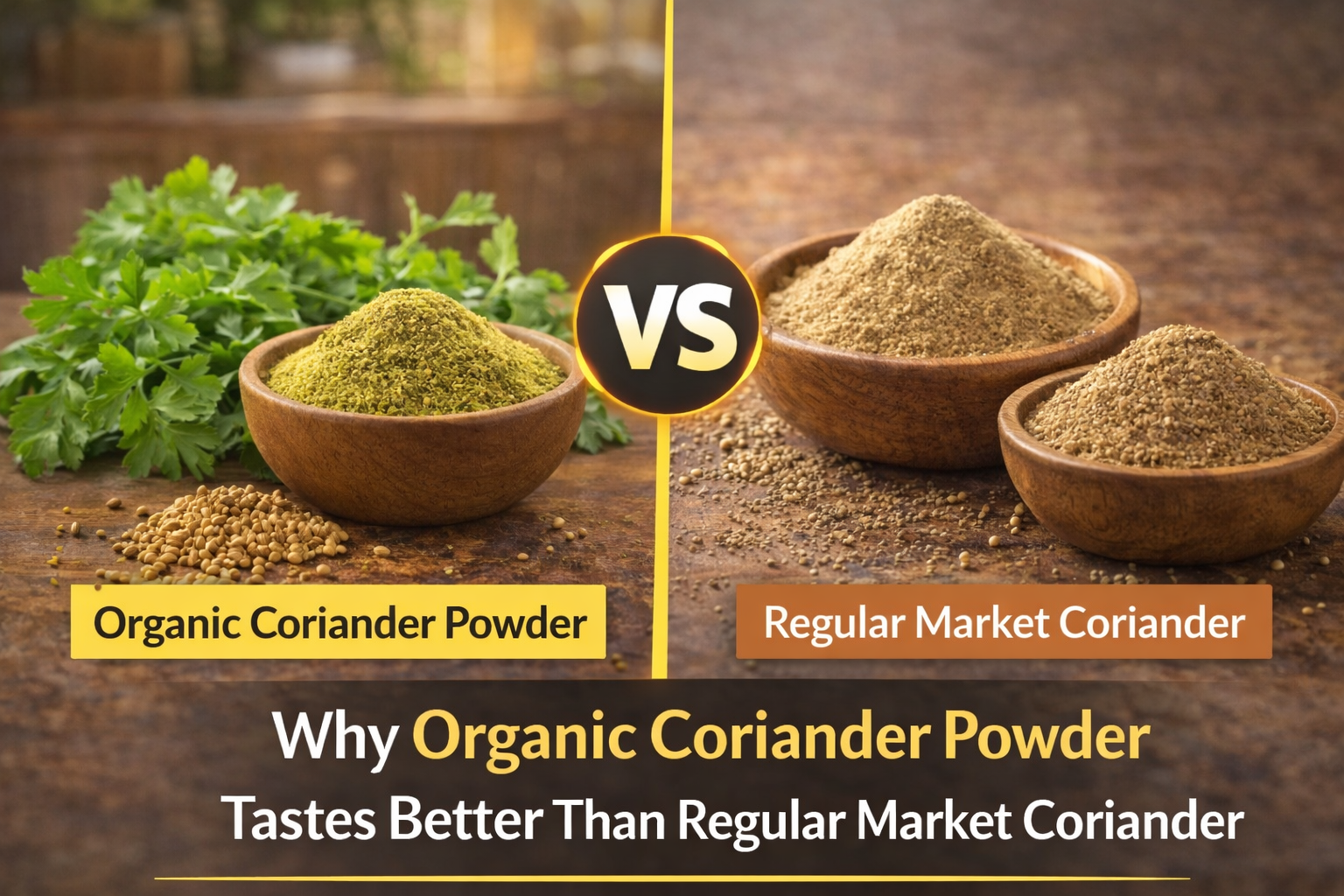
Organic coriander powder tastes better than regular market coriander because it’s grown without chemical fertilizers or pesticides, which helps preserve its natural oils, aroma, and flavor. It’s usually processed in smaller batches and less aggressively, so the freshness and nutrient quality stay higher. In contrast, regular market coriander often loses taste due to mass processing, long storage, and possible chemical residues. The result is that organic coriander delivers a richer aroma, strong
5 min read
 swadeshika
Swadeshika Editorial Team
Chemical-free spices help reduce exposure to pesticide residues, artificial colors, and additives that can affect long-term health. They usually retain more natural aroma, flavor, and nutrients because they’re grown and processed with minimal intervention. Choosing them supports cleaner cooking, better taste, and more responsible sourcing for everyday meals.
20 min read